Chapter 3 · The Sun Studio Outlaws
Jerry Lee Lewis
The Killer · Sun Records · 1950s
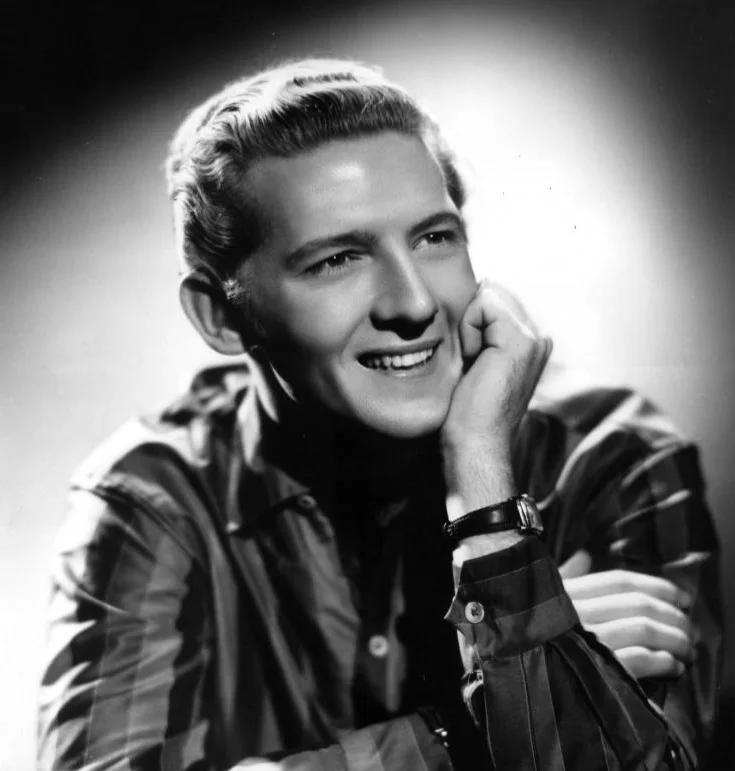
Rock & Roll Hall of Fame, 19861950s Sun Records-era publicity photo, photographer Maurice Seymour — public domain (US)
The Story
Landing at Sun Records like an explosion in 1956, Jerry Lee Lewis turned the piano into a rhythm weapon. Nicknamed "the Killer" and marketed as "Jerry Lee Lewis and His Pumping Piano," his relentless boogie-woogie left-hand basslines and wild right-hand glissandos introduced unhinged, punk-level intensity to the rock and roll mainstream years before the term "punk" existed.
If Little Richard proved rock could be loud, Jerry Lee Lewis proved it could be dangerous — kicking piano benches, pounding keys with his heel, and playing with a ferocity that made record labels nervous.
Sound & Gear Breakdown
- Pounding boogie-woogie left-hand basslines
- Wild right-hand glissandos and percussive attack
- High-velocity rockabilly tempo built for chaos, not control
Essential Listens
Whole Lotta Shakin' Goin' On (1957)
A single take that defined uncontrolled rock-and-roll chaos on the charts.
Great Balls of Fire (1957)
The gold standard for high-octane, piano-driven rock and roll.
Legacy Impact
Set the benchmark for wild, boundary-pushing frontmen and dangerous live stage performance — a direct ancestor of punk's stage-destroying energy.
Lineage to Today
Any keyboardist we book who treats the piano like a percussion instrument, not a parlor instrument, is playing Jerry Lee's game — controlled chaos is still a booking-worthy skill.